





THE PROBLEM
Energy poverty affects both households and institutions, keeping communities trapped in poor health,high costs, and environmental decline.
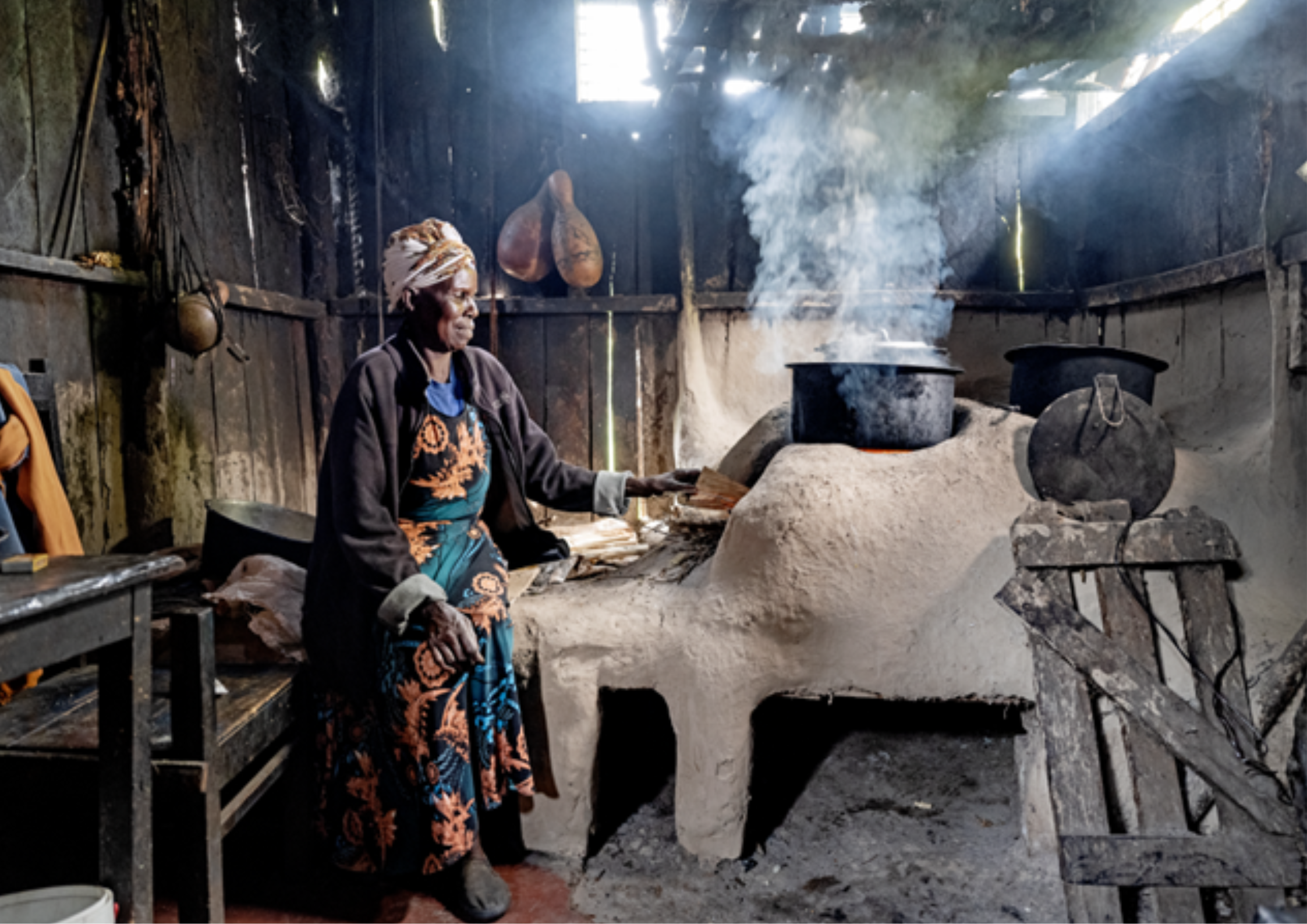
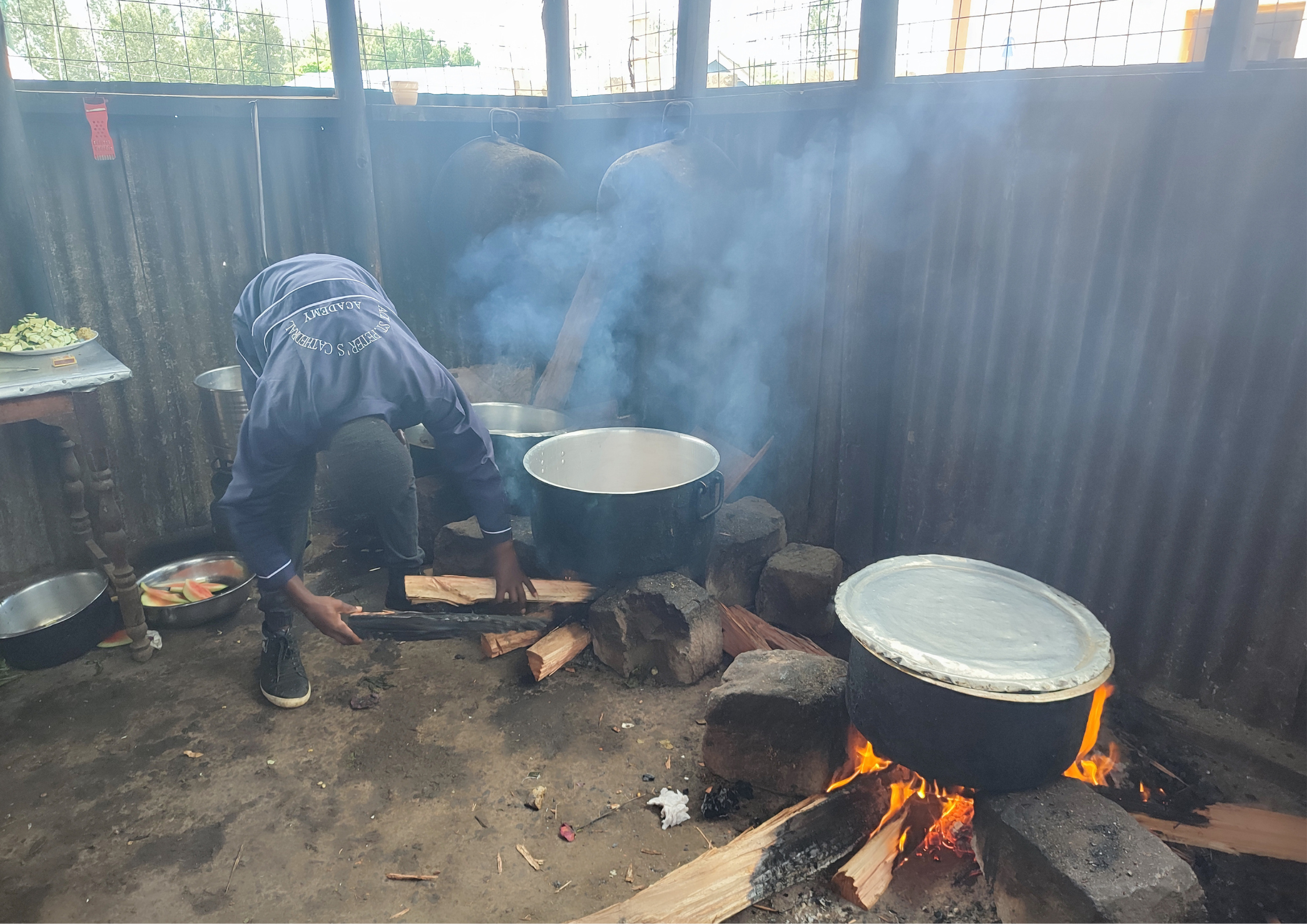
In Kenya, most households and institutions still rely on firewood, charcoal, kerosene, and candles for cooking and lighting. This exposes families, especially women and children, to toxic smoke, places a heavy burden on church and school kitchens, and drives millions of tonnes of CO2 emissions each year. Institutional kitchens alone consume vast amounts of firewood annually, accelerating deforestation and straining already limited budgets. As long as homes, schools, and churches remain dependent on polluting fuels, energy poverty and climate damage reinforce one another, at national scale.
OUR SOLUTIONS
We tackle energy poverty where change can scale: across church, school, and home.
Mwangaza Light works with faith institutions to lead clean energy transitions in institutional kitchens and households. Through Green Churches Kenya, we integrate Theology, clean energy technologies, and tree growing into a single, system level model.
By transforming energy use in churches and schools, we cut emissions, improve health, reduce costs, and generate carbon-aligned impact. By linking institutions to households, we ensure this change becomes part of everyday life. Tree growing complete the model, strengthening climate resilience. The result is faith-led systems change that improves lives while restoring ecosystems at scale.
Domestic and Institutional biomass clean cooking

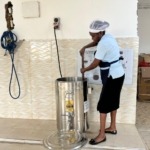
Domestic and Institutional electric clean cooking
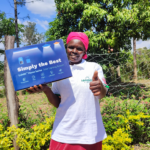

Solar Energy Solutions for home & church


Key Partners